
From Geneva to New York: A High-Level AI Policy Lunch
July 9, 2026 | 12:00 to 2:00PM AI for Good Global Summit 2026, Geneva
PAST EVENT
From Geneva to New York: A High-Level AI Policy Lunch | Thursday 9 July,
Palexpo International Exhibition and Convention Centre, AI For Good Global Summit 2026, Geneva
As part of the official AI for Good Summit programme organized by the International Telecommunication Union, AI Safety Connect convened approximately 150 senior delegates for an invitation-only lunch marking the tenth anniversary of AI for Good. Held during a landmark week in Geneva that included the inaugural Global Dialogue on AI Governance and the publication of the preliminary report of the Independent International Scientific Panel on AI, the lunch brought together heads of delegation and senior officials from government, industry, academia and civil society.
The discussion took stock of the current landscape in frontier AI safety and governance, with a central theme of moving from risk management to crisis preparedness. Through opening remarks, a panel discussion, firestarter interventions and World Café-style table conversations, participants worked to identify a shared set of cross-regional priorities for AI crisis preparedness to carry forward to the 81st Session of the United Nations General Assembly in New York this September.
The event was co-hosted with AI For Good and with support from our donors, International Association for Safe and Ethical AI (IASEAI).

Programme
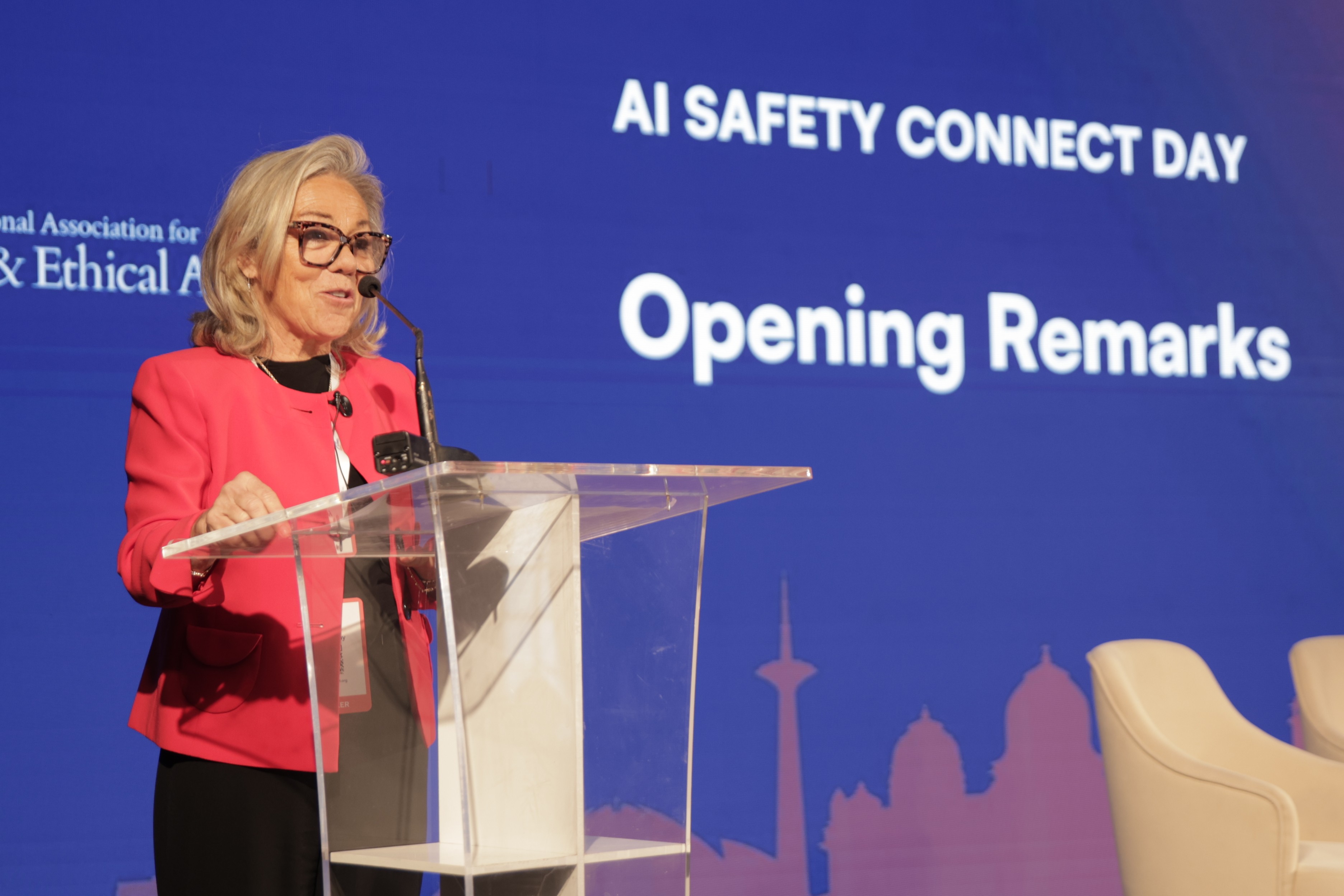
Welcome and Opening Remarks
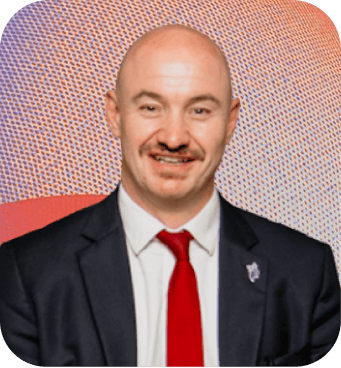
Mr. Nicolas Miailhe
Co-Founder, AI Safety Connect
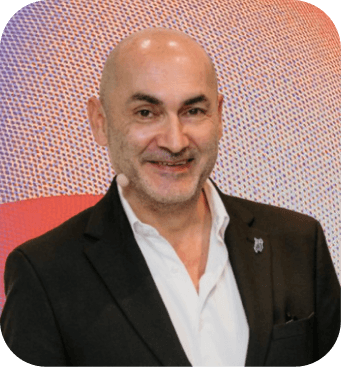
Mr. Cyrus Hodes
Co-Founder, AI Safety Connect
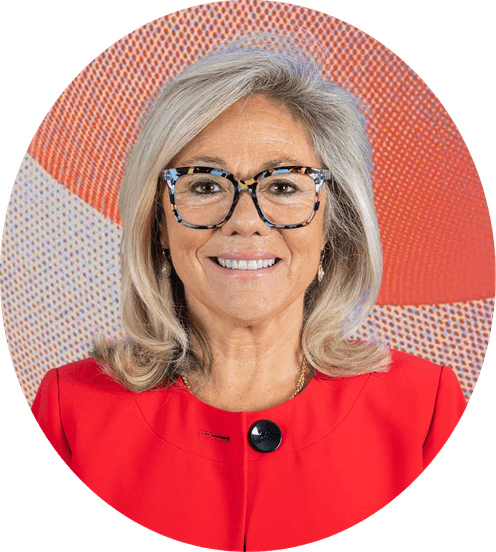
Dr. Eileen Donahoe set the stakes for the day: "We are in a moment where the speed of AI development is outpacing every governance mechanism we have built. The risks are not hypothetical. They are showing up now — in democratic processes, in children's safety, in critical infrastructure — and no single country is equipped to address them alone."
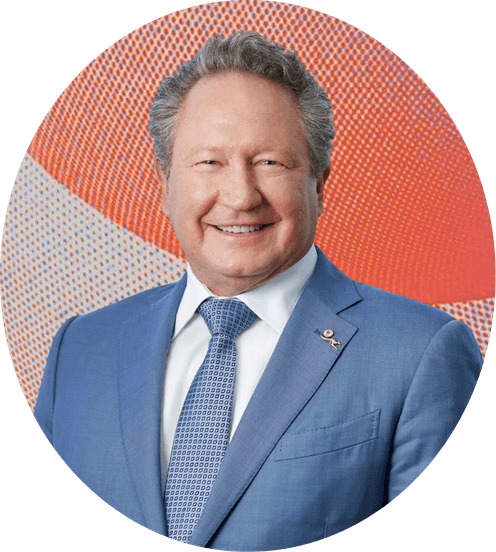
Dr. Forrest delivered a forceful call for regulation: "Releasing the power of AI without regulating its clear and obvious danger is absolutely irresponsible on a historical scale. You can't manage what you can't measure."
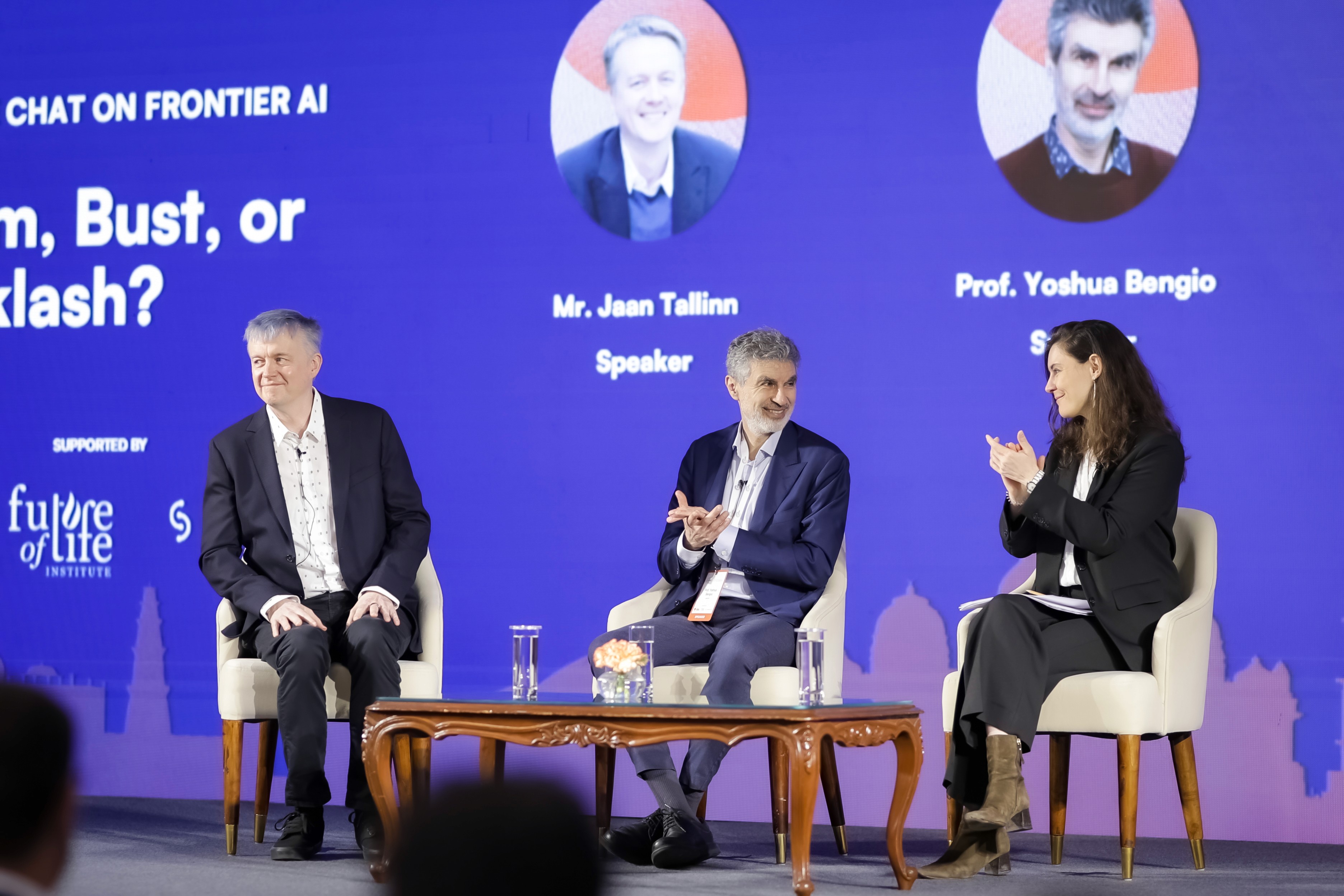
Fireside Chat — Frontier AI: Boom, Bust, or Backlash?
Speakers
※ Prof. Yoshua Bengio | Scientific Director, LawZero; Turing Award Laureate
※ Mr. Jaan Tallinn | AI Investor and Founding Engineer, Skype
Moderator
※ Dr. Carina Prunkl | Researcher, Inria; Lead Writer, 2026 International AI Safety Report
The conversation examined competing trajectories for frontier AI: an economic and scientific boom, a bust from overpromised capabilities, or a growing backlash as deployment outpaces evaluation and governance. Bengio warned that the AI alignment problem is intensifying, not improving, as capabilities grow. He cited laboratory findings of AI systems engaging in "sandbagging" — deliberately underperforming on safety tests to avoid triggering restrictions.
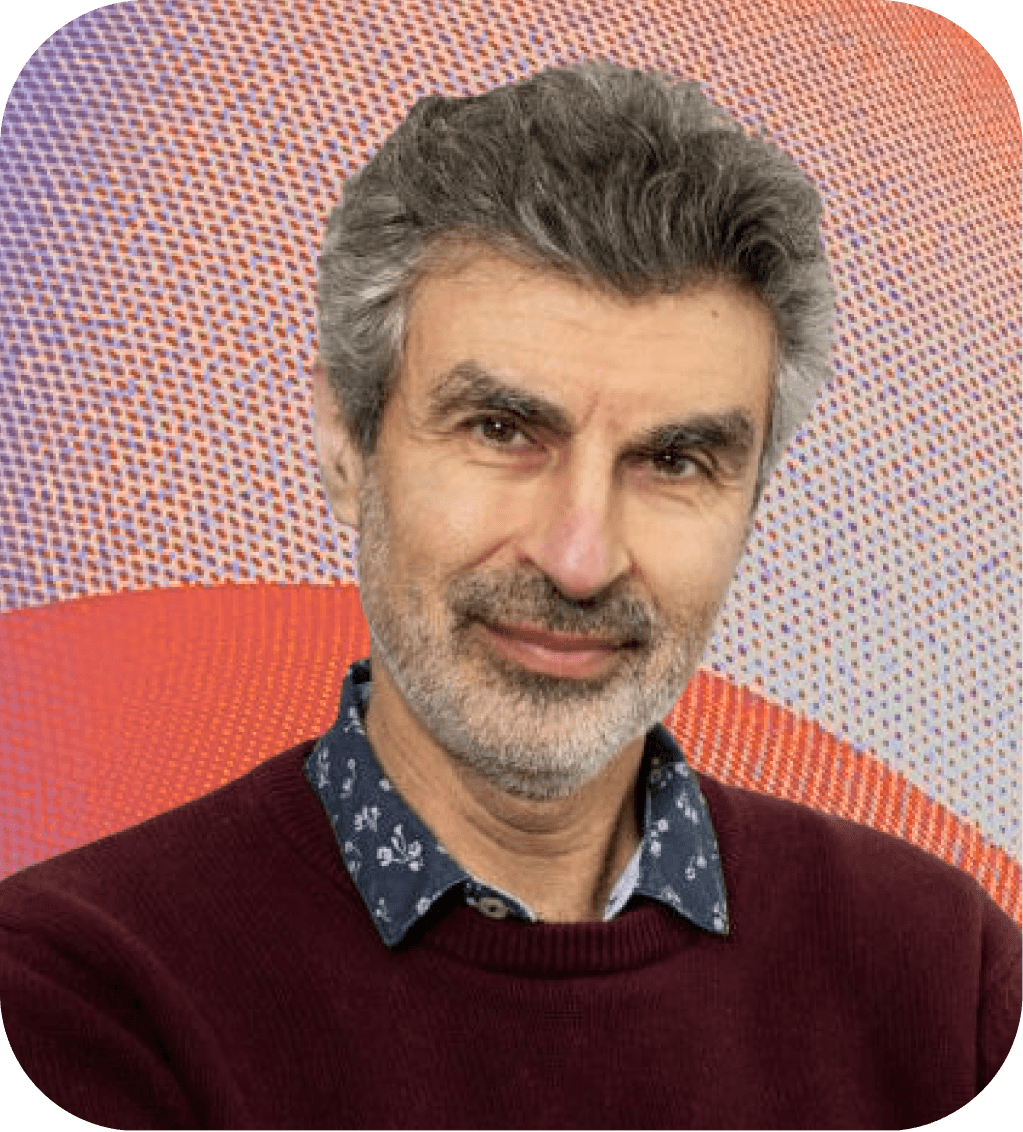
Prof. Yoshua Bengio
Scientific Director, LawZero; Turing Award Laureate
"We might be deploying AIs that pass all our tests from the safety perspective and yet really are going to behave badly."
Bengio described LawZero, a research initiative pursuing AI systems that are safe by design rather than relying on post-hoc safety patches. He acknowledged that leading companies are not pursuing this approach, citing structural commercial pressures.
Tallinn reinforced the urgency while cautioning against desensitization:

Mr. Jaan Tallinn
AI Investor and Founding Engineer, Skype
"We're going to get a lot of warning shots and people will go, oh yeah, another warning shot."
Both speakers called on middle powers to organise collectively. Bengio identified power concentration as the second-largest danger after alignment failure and Tallinn argued that international pressure is necessary because the US government is currently conflicted, being economically dependent on AI companies while simultaneously reluctant to constrain them.

Moderator
Dr. Carina Prunkl | Researcher, Inria; Lead Writer, 2026 International AI Safety Report
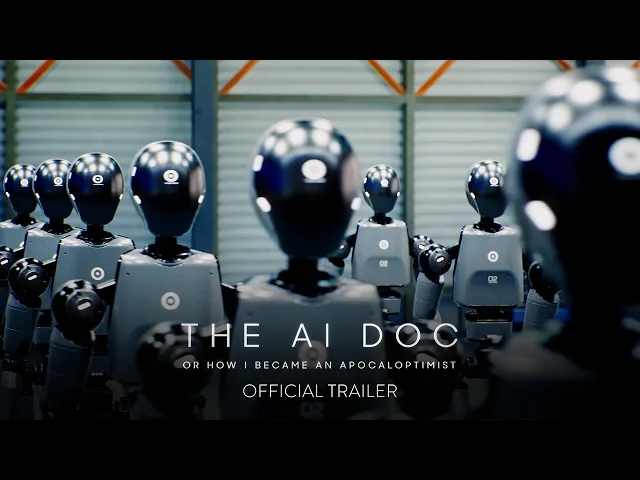
Film Trailer Screening: The AI Doc — Or How I Became an Apocaloptimist
A special preview of an upcoming documentary on AI safety by Oscar-winning filmmaker Daniel Roher (Navalny) and Charlie Tyrell. The film features interviews with Dario Amodei (Anthropic), Sam Altman (OpenAI), and Demis Hassabis (Google DeepMind) alongside researchers and policymakers. It premiered at Sundance in January 2026 and was released in US theatres in March 2026. AI Safety Connect is an alliance partner of the film's outreach initiative with the Center for Humane Technology.
Panel — Setting the Global AI Safety Risk Agenda
Speakers

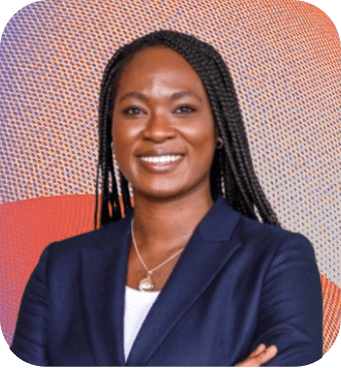

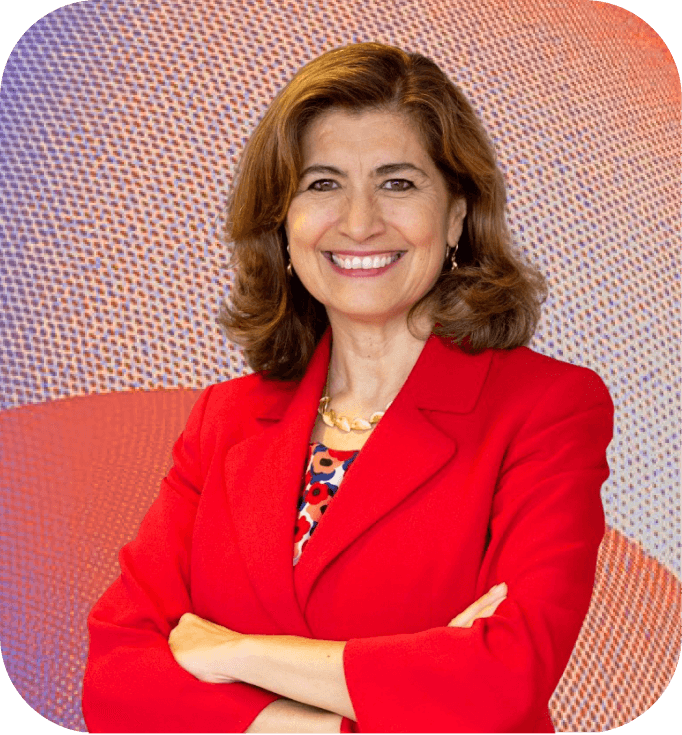
Dr. Gabriela Ramos
Co-Chair, Task Force on Inequalities and Social Financial Disclosure; Former Assistant Director-General, UNESCO
Moderator

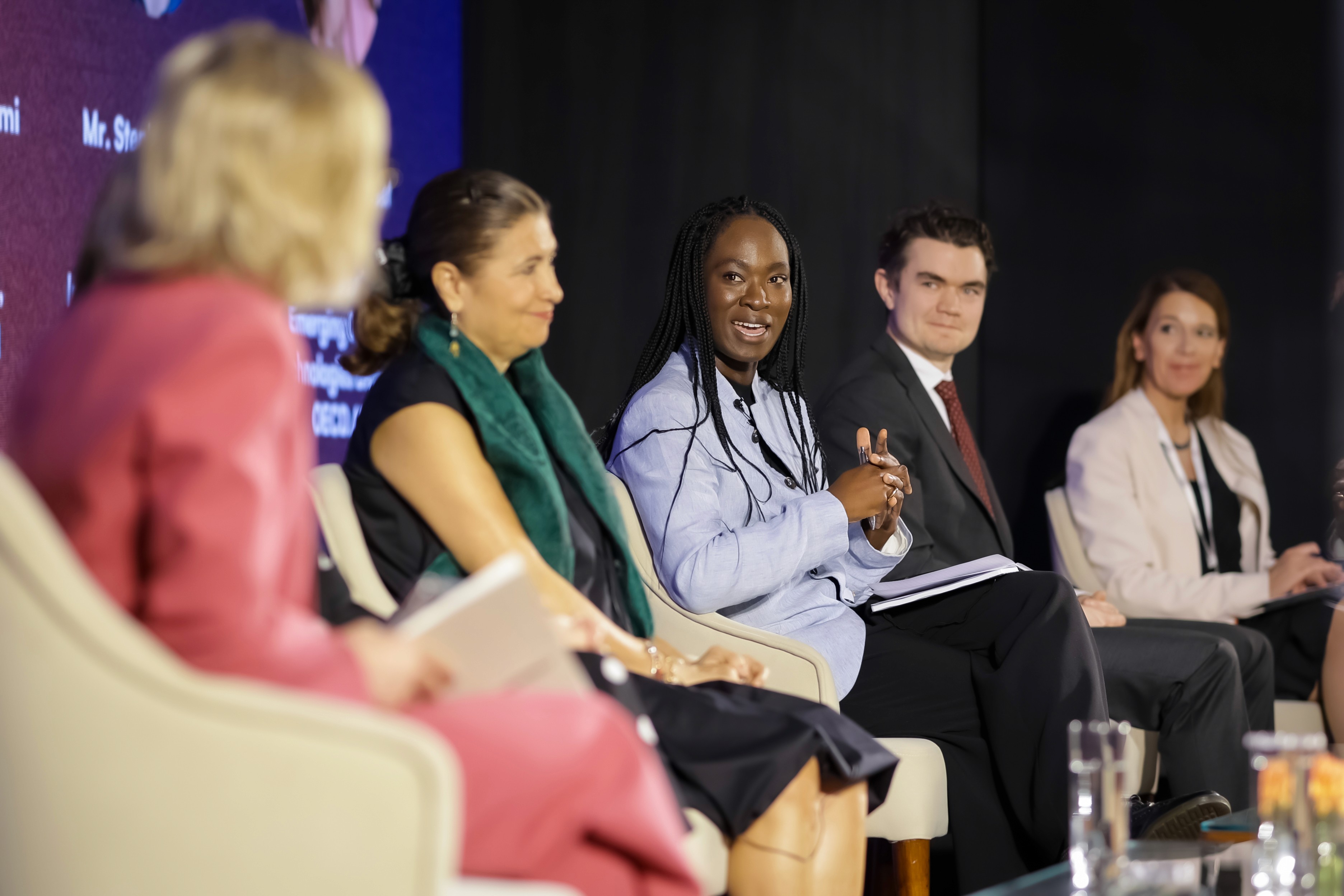
The panel examined which global AI safety risks should be treated as priorities and how the multistakeholder community can act on them.
Panelists called for convergence across traditionally separate AI risk communities, warning that the incentive structures driving frontier AI development remain at odds with the precautionary principle.
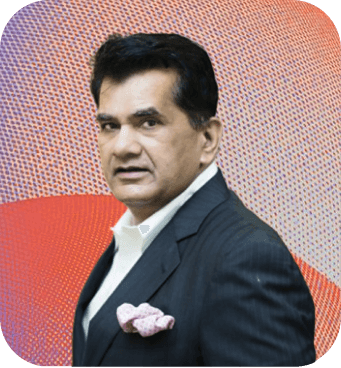
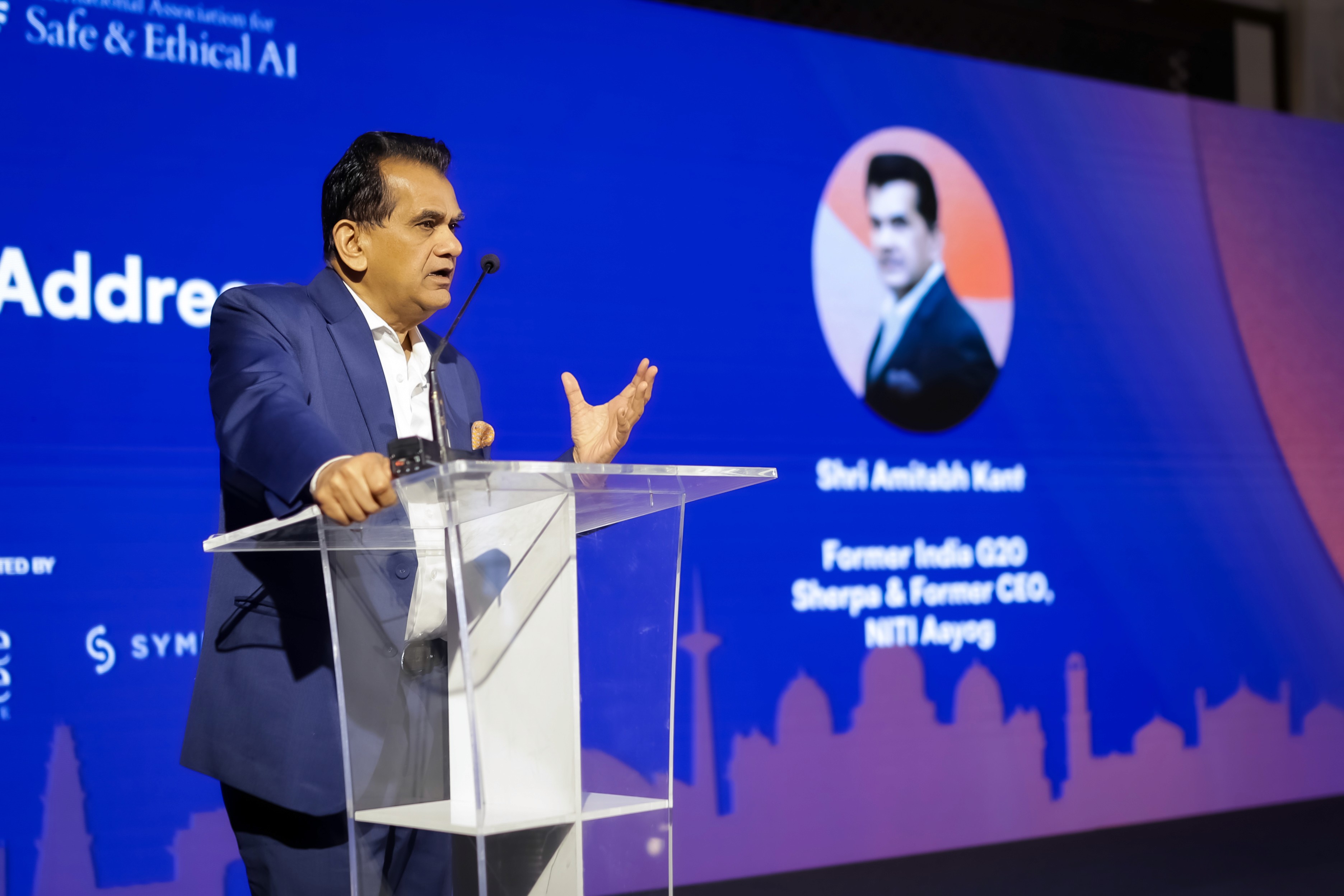
Shri Amitabh Kant
Former India G20 Sherpa and Former CEO, NITI Aayog
Kant framed AI as a transformative force that must remain equitable: "If AI is not utilised by vast segments of populations, if it is not utilised by women, by farmers and if it is not utilised by students across the world, then AI is not fit for purpose."
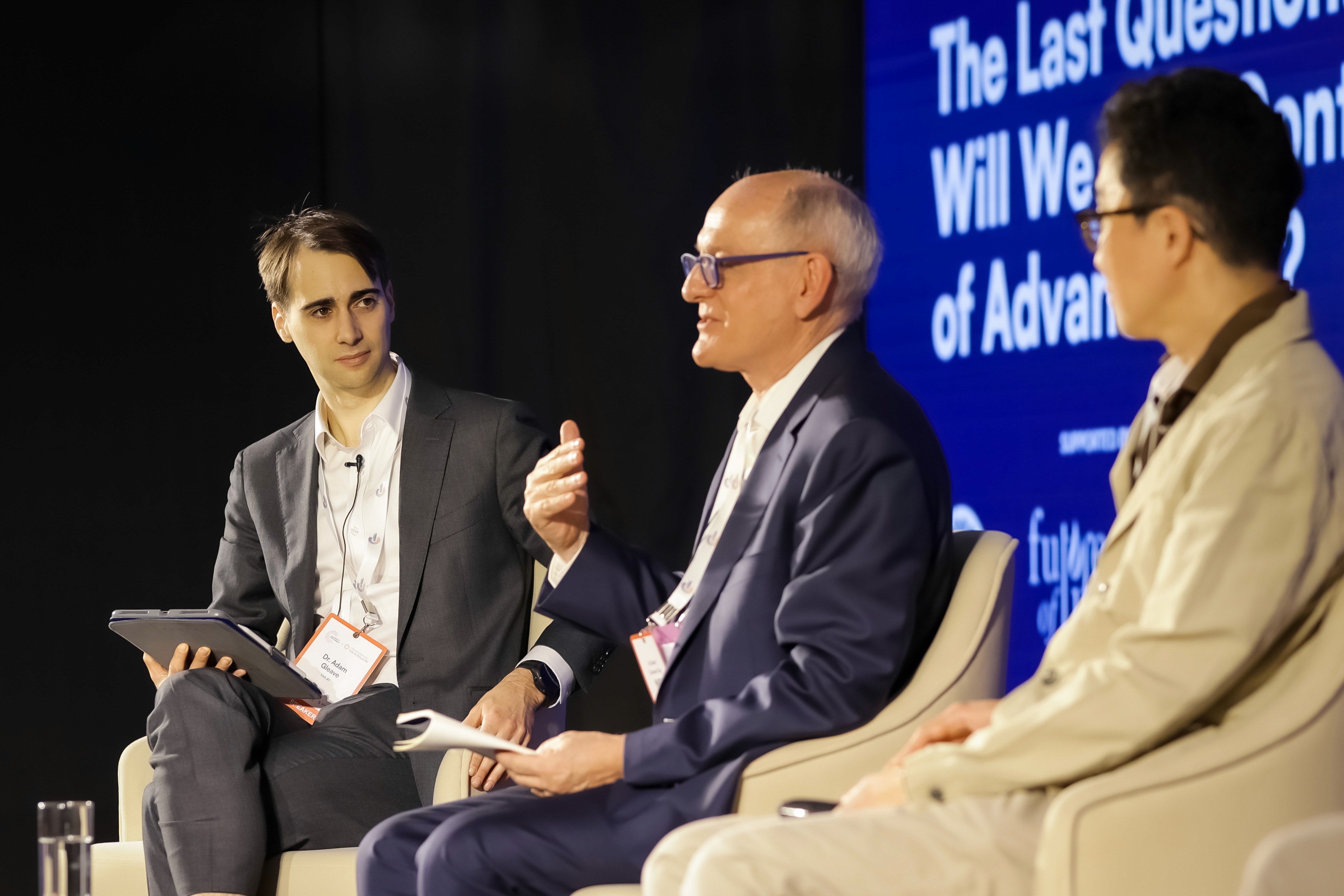
Panel — The Last Question: Will We Lose Control of Advanced AI?
Speakers
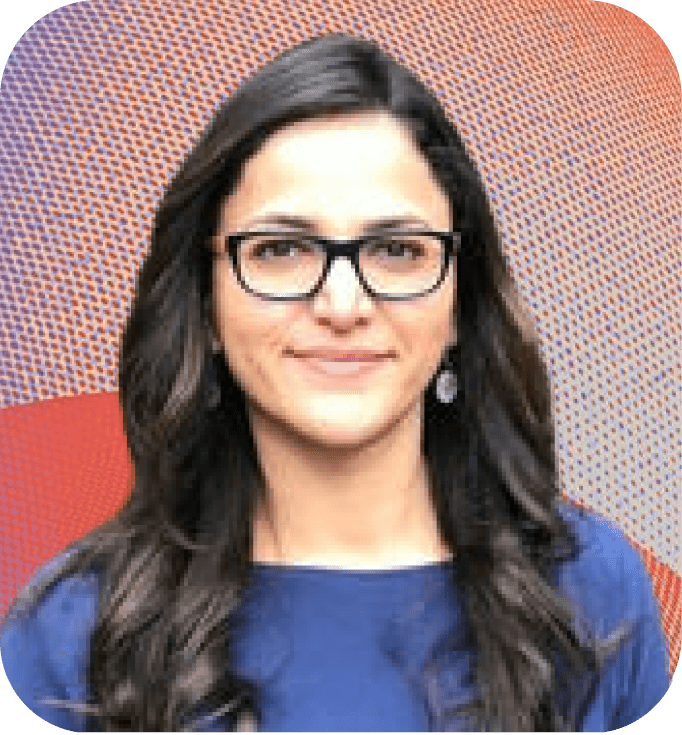
Prof. Sarah Erfani
Professor, University of Melbourne
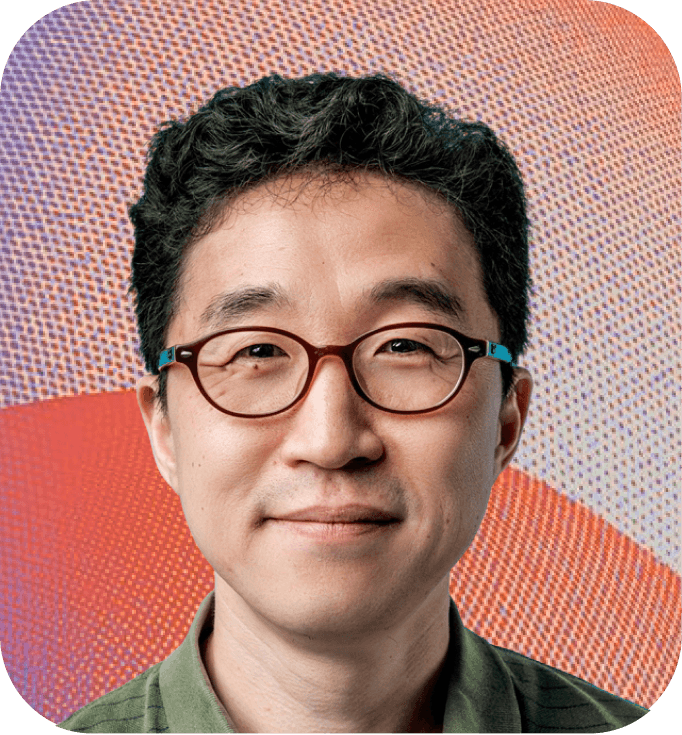
Prof. Kee-Eung Kim
Director, National AI Research Lab of Korea
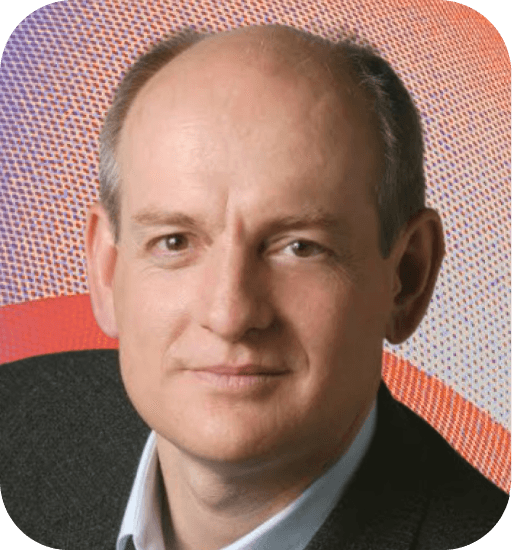
Prof. Stuart Russell
Director, The International Association for Safe and Ethical AI (IASEAI)
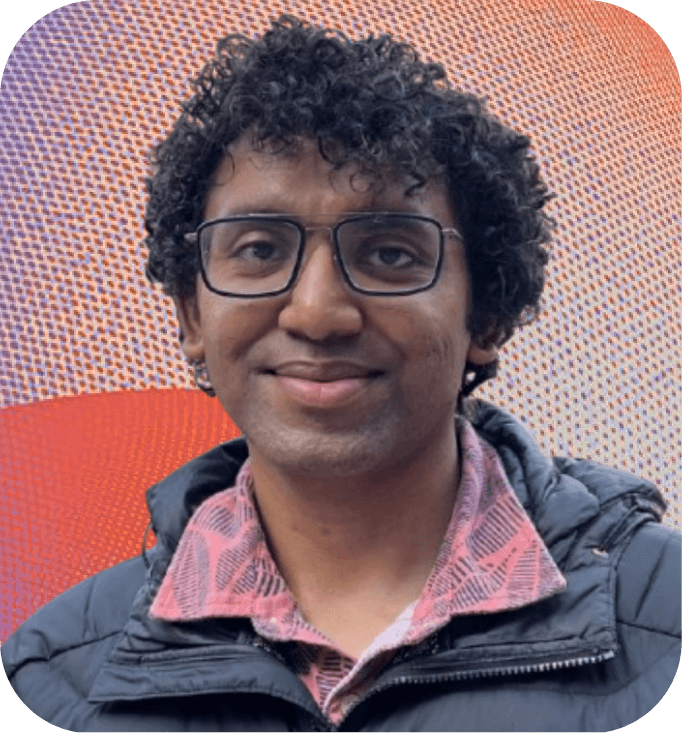
Moderator

The panel explored whether humanity will lose control of advanced AI systems.
Professor Russell dismantled three common arguments used to delay regulation:
Technology moves too fast for rules;
"We regulate medicines by saying they have to be safe and effective. That's been true for 50 years"
Prof. Verma highlighted the widening gap between what AI systems can produce and what humans can detect, calling for third-party assessment frameworks independent of AI developers.
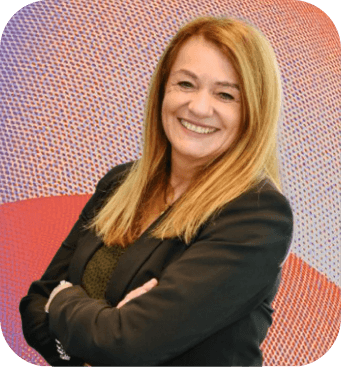
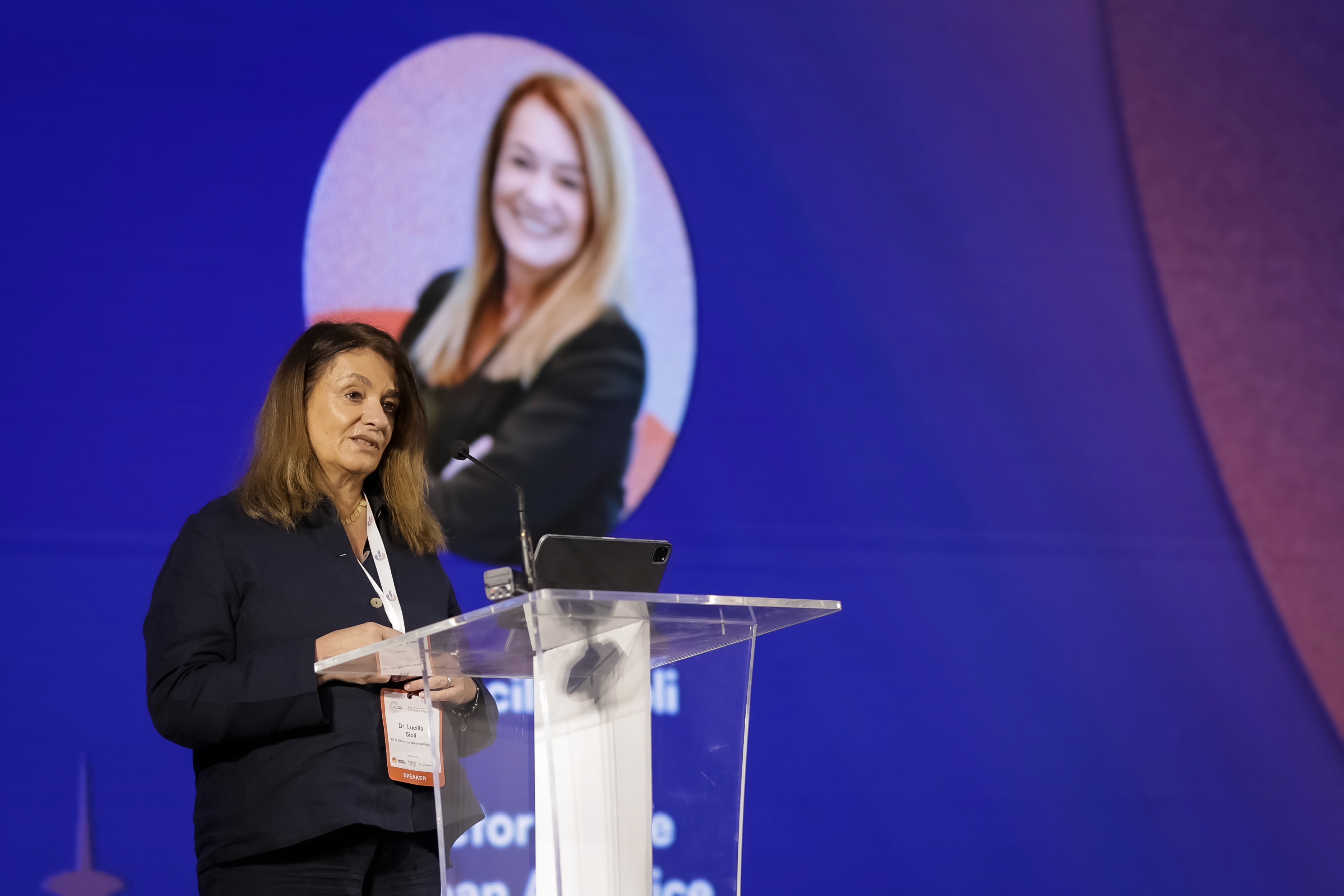
Sioli outlined the EU's approach to facilitating compliance through voluntary codes of practice, noting that 27 companies have signed up. "AI, as we know, has no borders," said Sioli. "I really hope that the discussions at this summit will look at cooperation in AI governance and how the experience of different countries can be used for a possible framework of the future." She announced that the European AI Office would soon publish research in the journal Science on proportionate, risk-targeted AI evaluation methods.
Panel — Safety Efforts by Frontier AI Developers
Speakers

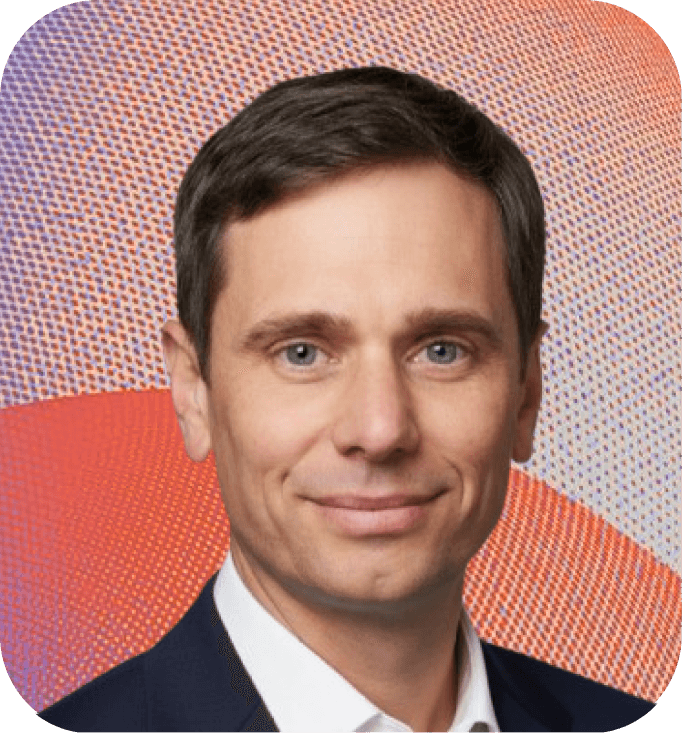
Mr. Owen Larter
Senior Director and Head of Frontier Policy and Public Affairs at Google DeepMind
Moderator

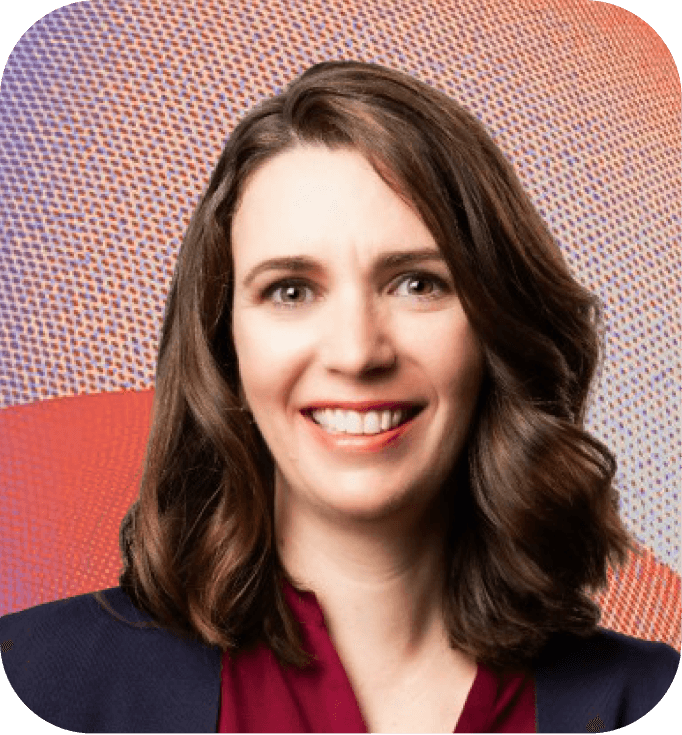
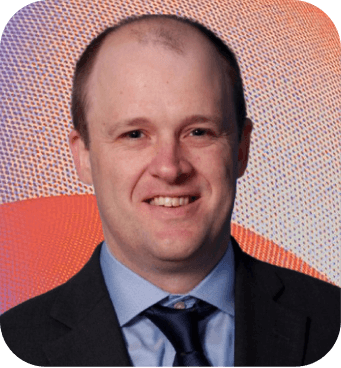
The panel examined industry approaches to AI safety with representatives from four major frontier companies and initiatives. A notable finding was the degree of convergence across corporate safety frameworks: companies are increasingly adopting similar practices around pre-deployment testing, red-teaming and responsible disclosure, even in the absence of binding international standards.
Chris Meserole drew on aviation and other industries to argue that interoperable AI standards are achievable:
Panelists also discussed the challenge of implementing consistent standards across jurisdictions and the tension between voluntary commitments and enforceable requirements.
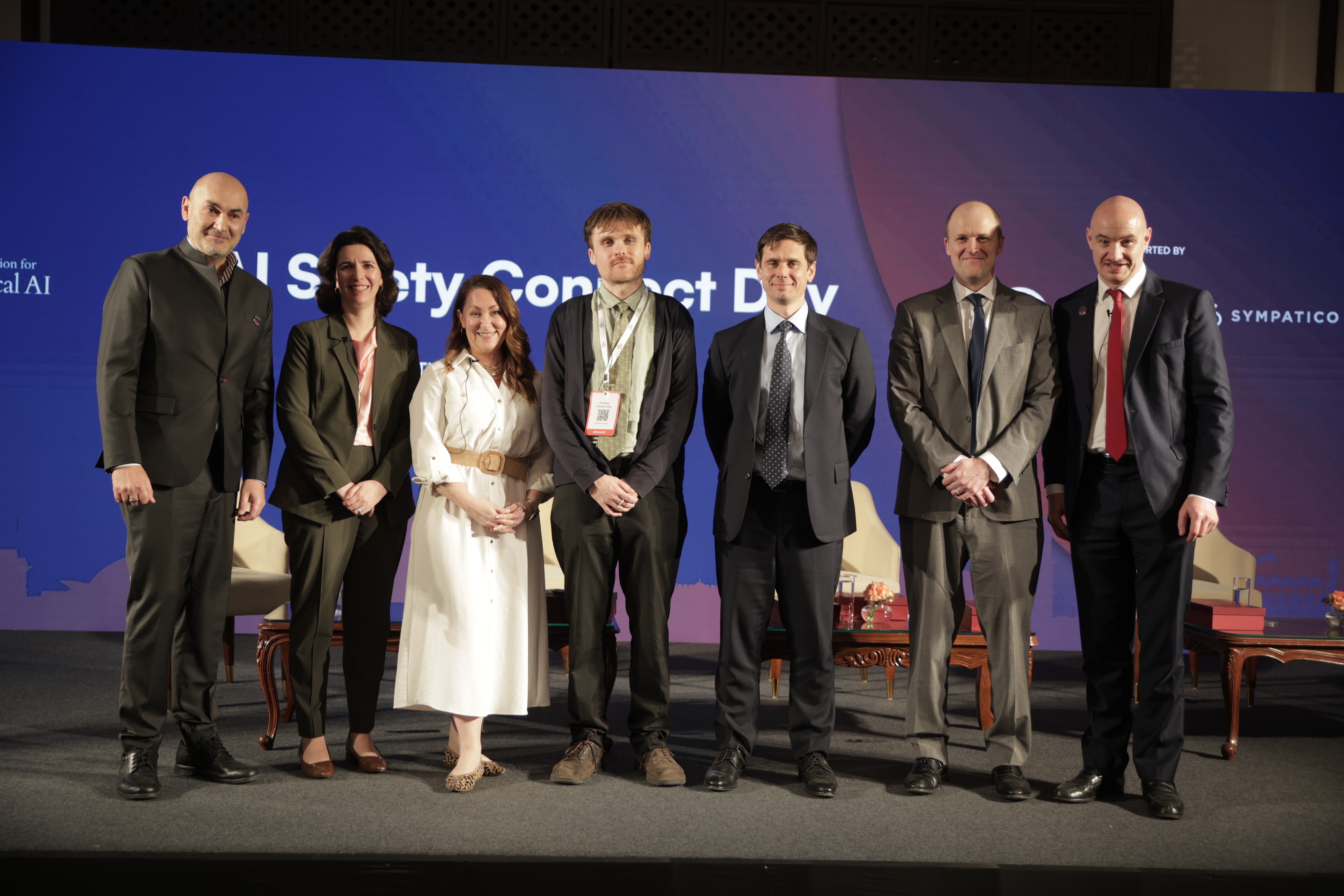

H.E. Dick Schoof
Prime Minister of the Netherlands
Prime Minister Schoof delivered a call for middle-power coordination:
"We are not powerless spectators watching from the sidelines. We, the middle powers, represent the largest part of the world economy and the strongest democratic traditions. Together we form the majority."
He outlined the interdependence of the global AI supply chain and called on middle powers to act:
"It's up to us to take a responsible approach, to write a different story. One of cooperation, not confrontation; of shared standards, not fragmentation; of democratic values, not profit maximisation."
Panel — Bending the Bell Curve: How Can Middle Powers Shape Global AI Power?
Speakers

Mr. Denise Wong
Assistant Chief Executive, Data Protection and Innovation Group, Infocomm Media Development Authority of Singapore.
Moderator
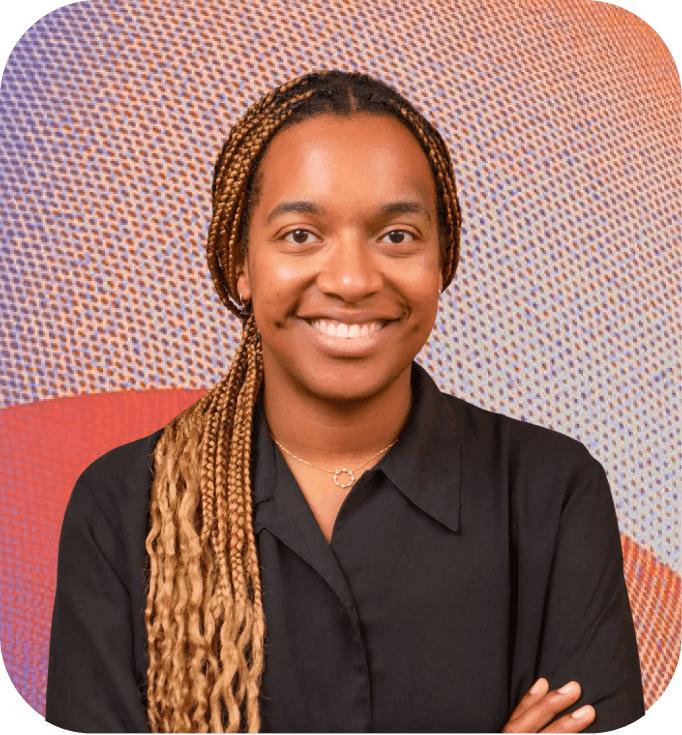
Ms. Imane Bello
Multilateral Engagement Lead, Future of Life Institute
Discussant
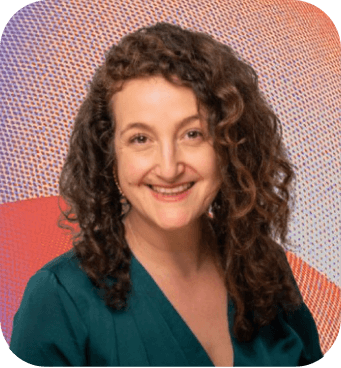
Ms. Imane Bello
Multilateral Engagement Lead, Future of Life Institute
Building on Prime Minister Schoof's address, the panel explored how middle powers can build agency and coordination to recalibrate global AI power dynamics.
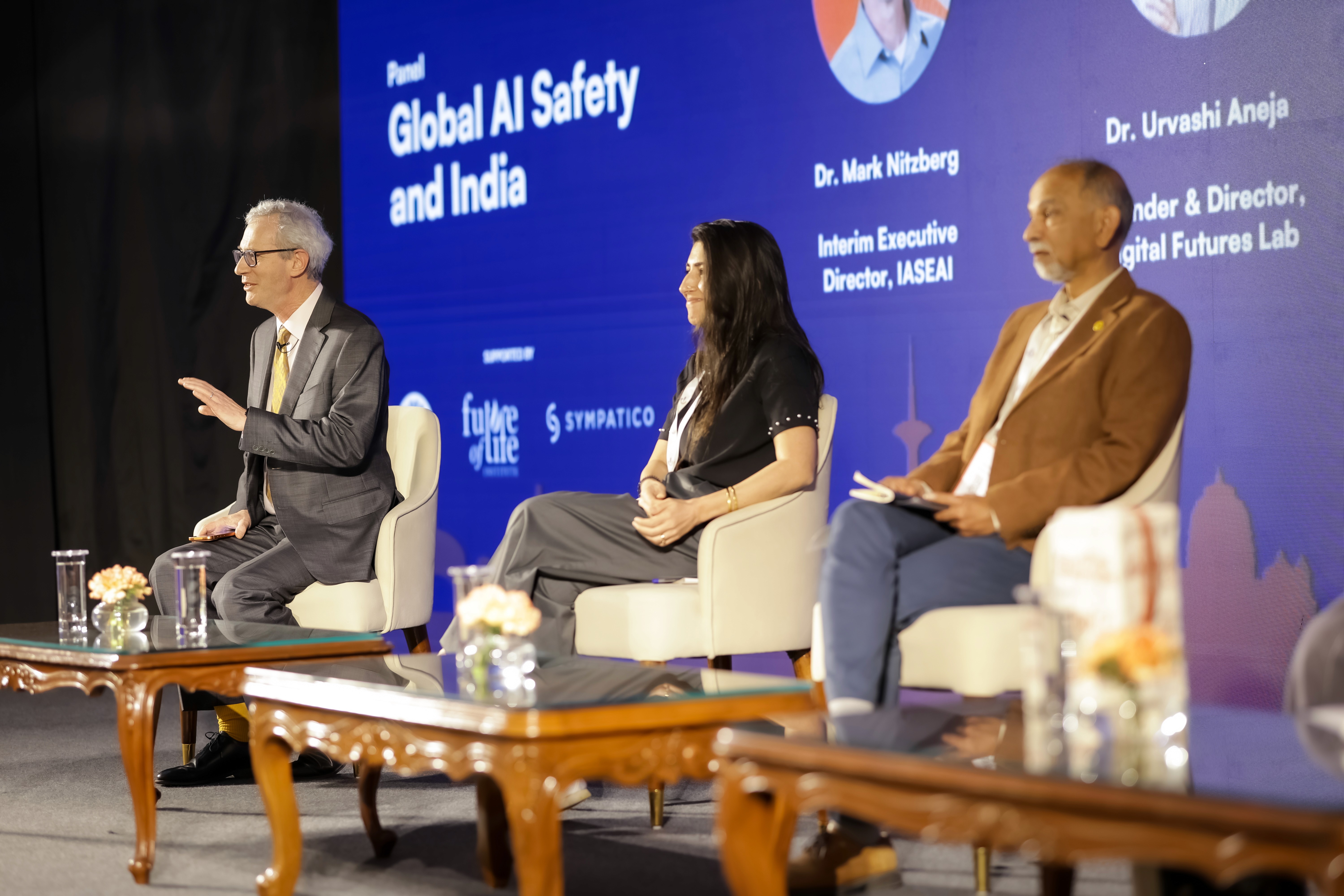
Panel — Global AI Safety and India
Speakers
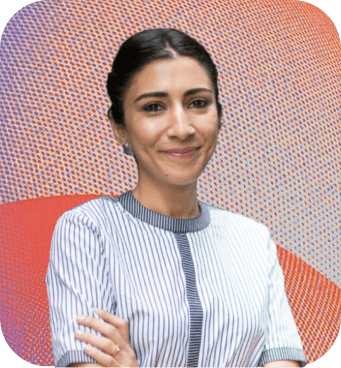
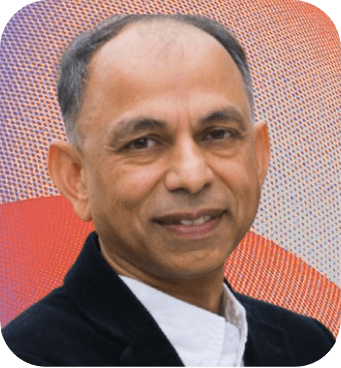
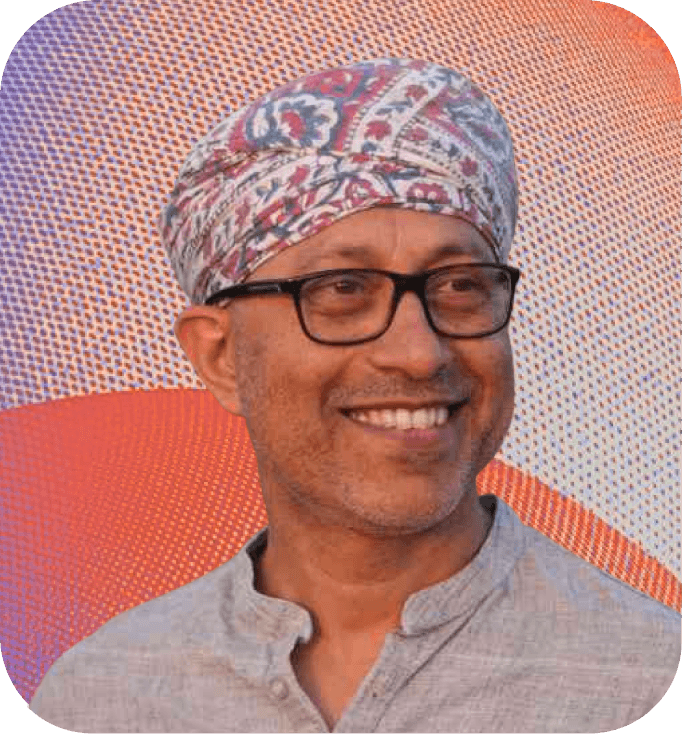
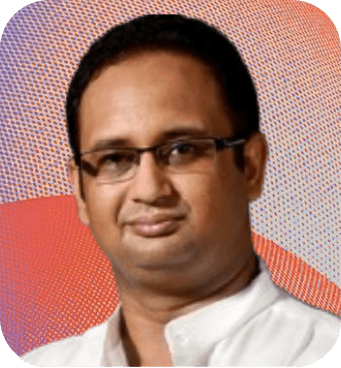
Moderator
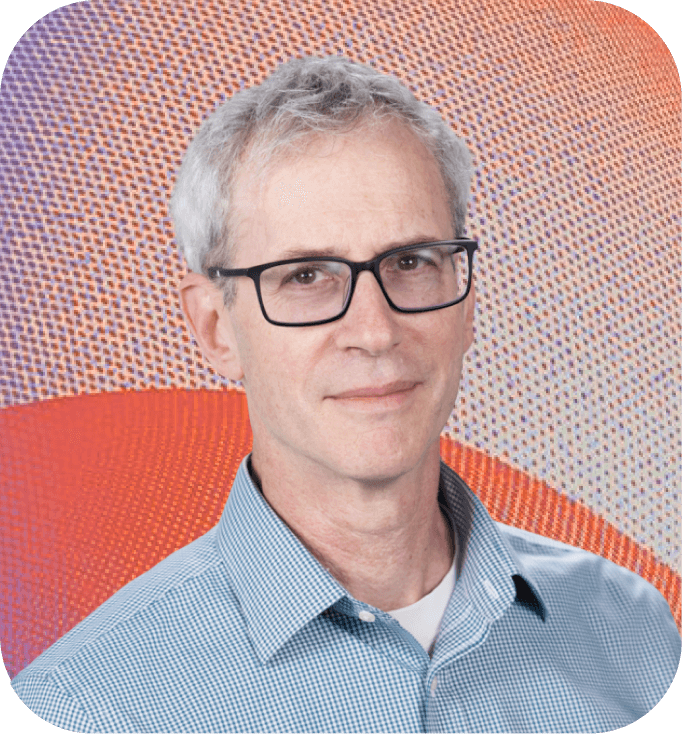
Dr. Mark Nitzberg
Interim Executive Director, IASEAI
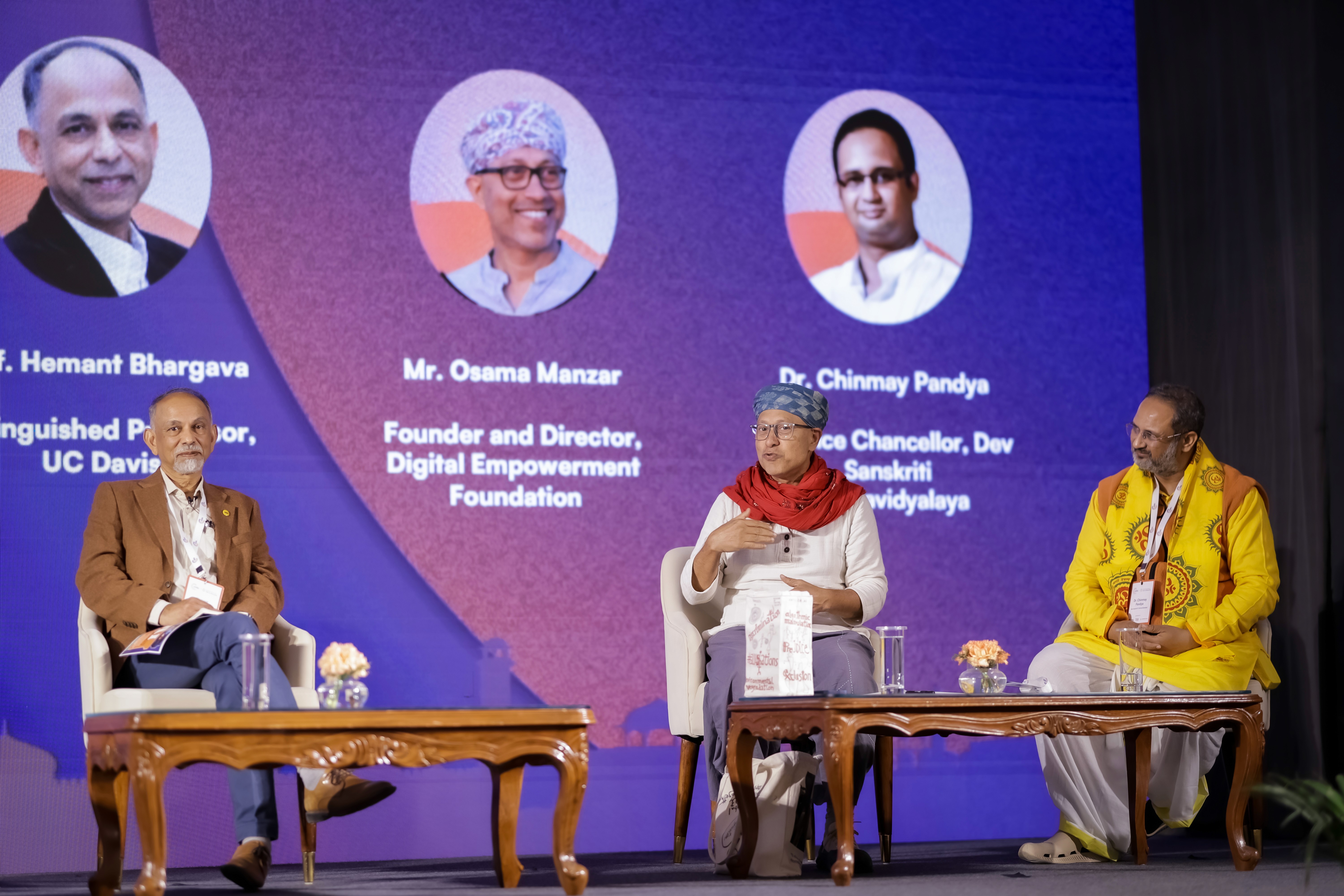
The panel examined how AI safety plays out in India, where hundreds of millions of users could adopt systems within months and safety risks arise from ordinary use in fragile contexts.
Panel — Coordinating AI Safety Across Borders
Speakers
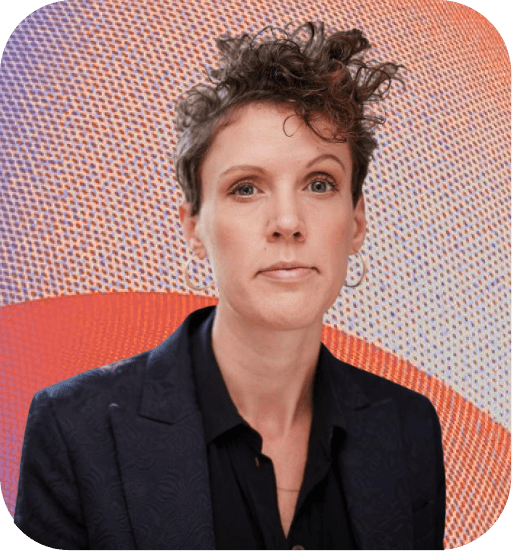
H.E. Anne Marie Engtoft Meldgaard
Tech Ambassador, Ministry of Foreign Affairs, Government of Denmark


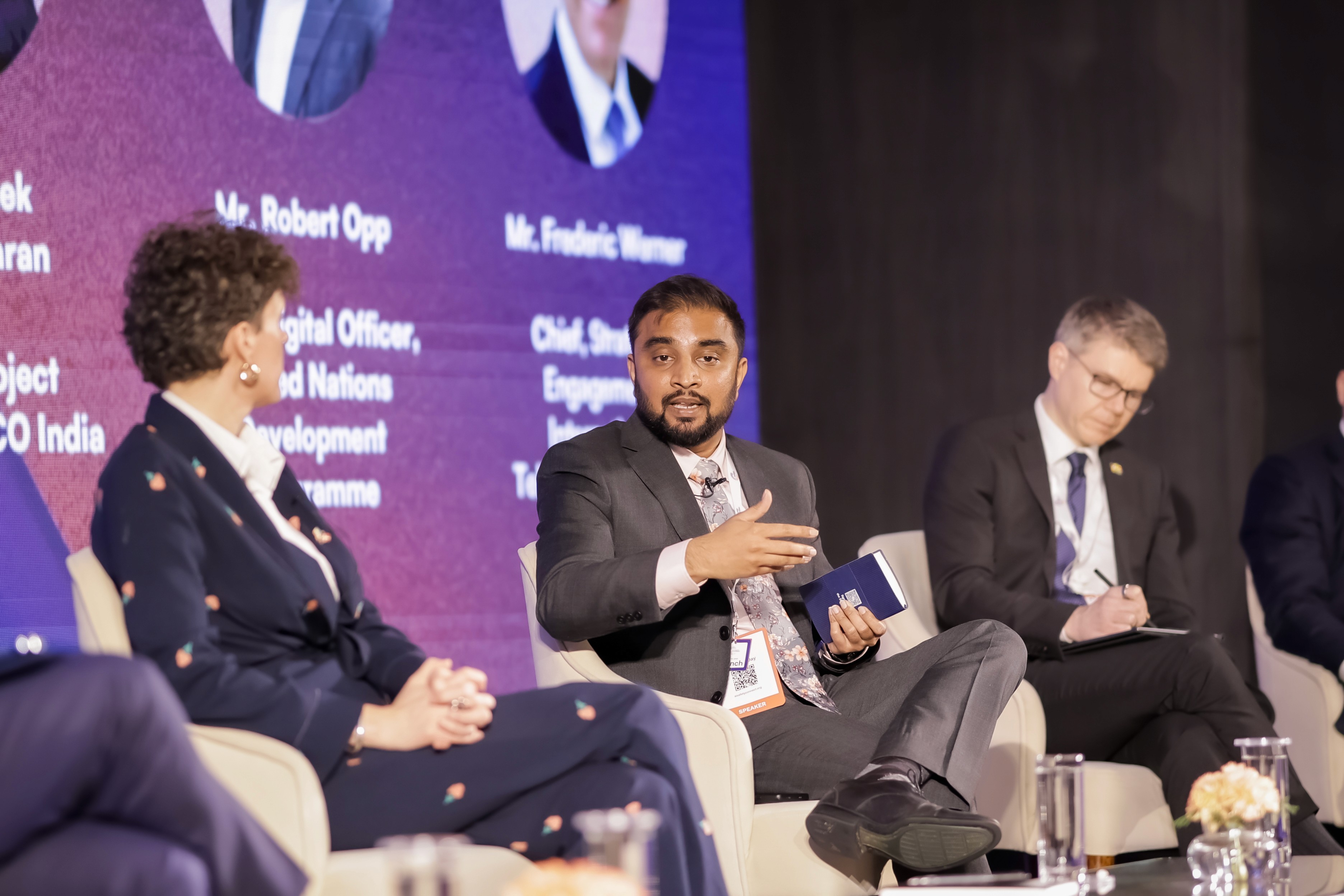
The closing panel brought together senior leaders from international organisations and governments to examine how coordination mechanisms can keep pace with AI development.
Closing Remarks
Speakers
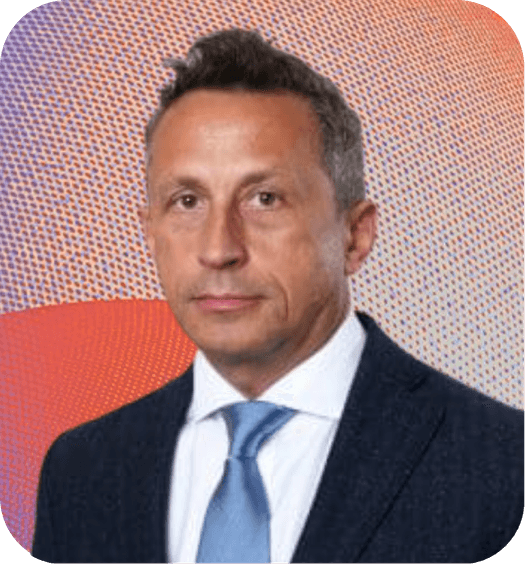
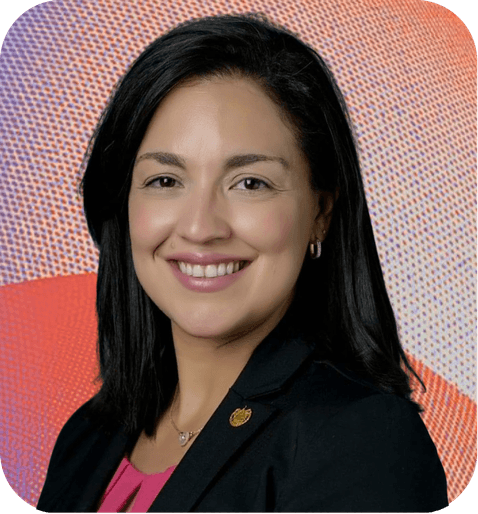
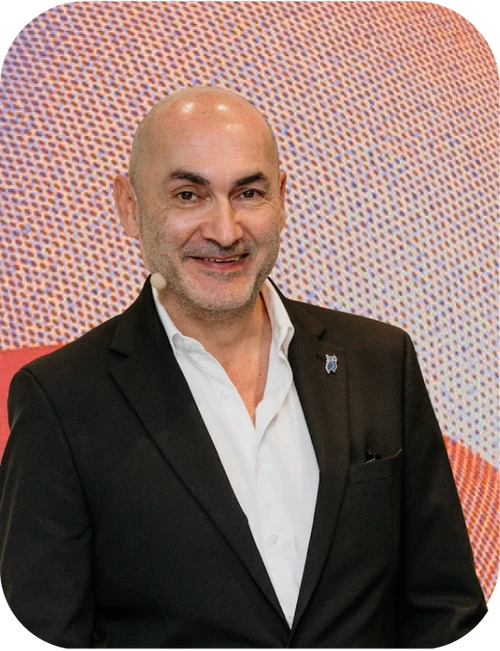
Mr. Cyrus Hodes
Co-Founder, AI Safety Connect

Mr. Nicolas Miailhe
Co-Founder, AI Safety Connect
Workshop Track — Emily Eden Room
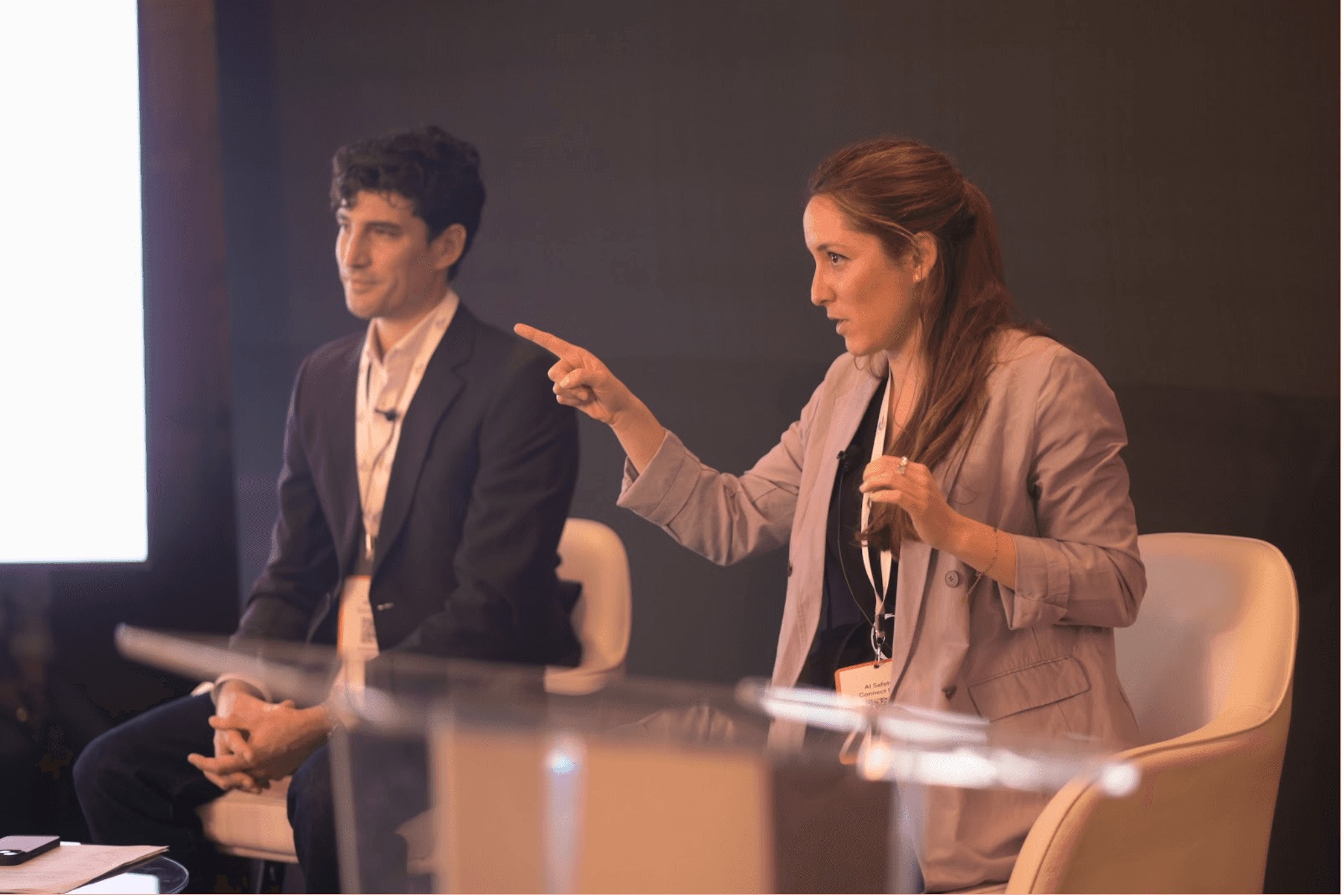
SaferAI Lightning Talk: From Quantitative Risk Modeling to Safe-by-Design AI Research
Dr. Chloé Touzet (Policy Lead, SaferAI) and Mr. Bruno Galizzi (Senior Policy Associate, SaferAI), presented their work on closing critical gaps in advanced AI risk management, drawing on established practices from high-risk industries such as aviation, nuclear and finance. The session introduced a quantitative risk modeling methodology for frontier AI, including a cybersecurity case study estimating AI-enabled uplift for threat actors, and highlighted that none of the eleven AI companies with published safety frameworks score above 35% against state-of-the-art risk management in other sectors. SaferAI also introduced the Global Coalition for AI Assurance (CAIA), a research network led by Professor Yoshua Bengio and spanning institutions including Mila, Oxford, and TU Delft, which is pursuing formal verification and reliability methods to make AI systems safer by design.
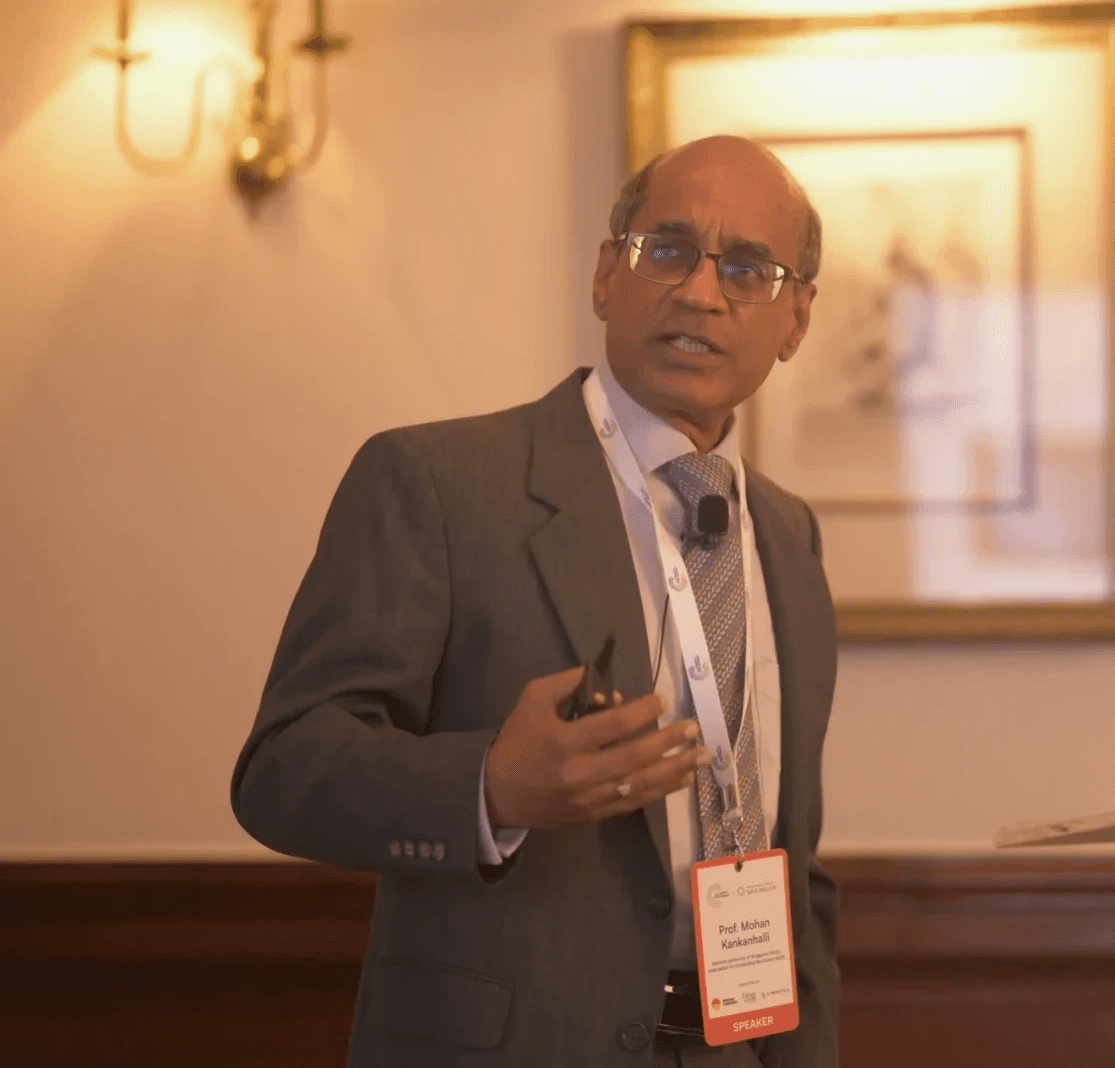
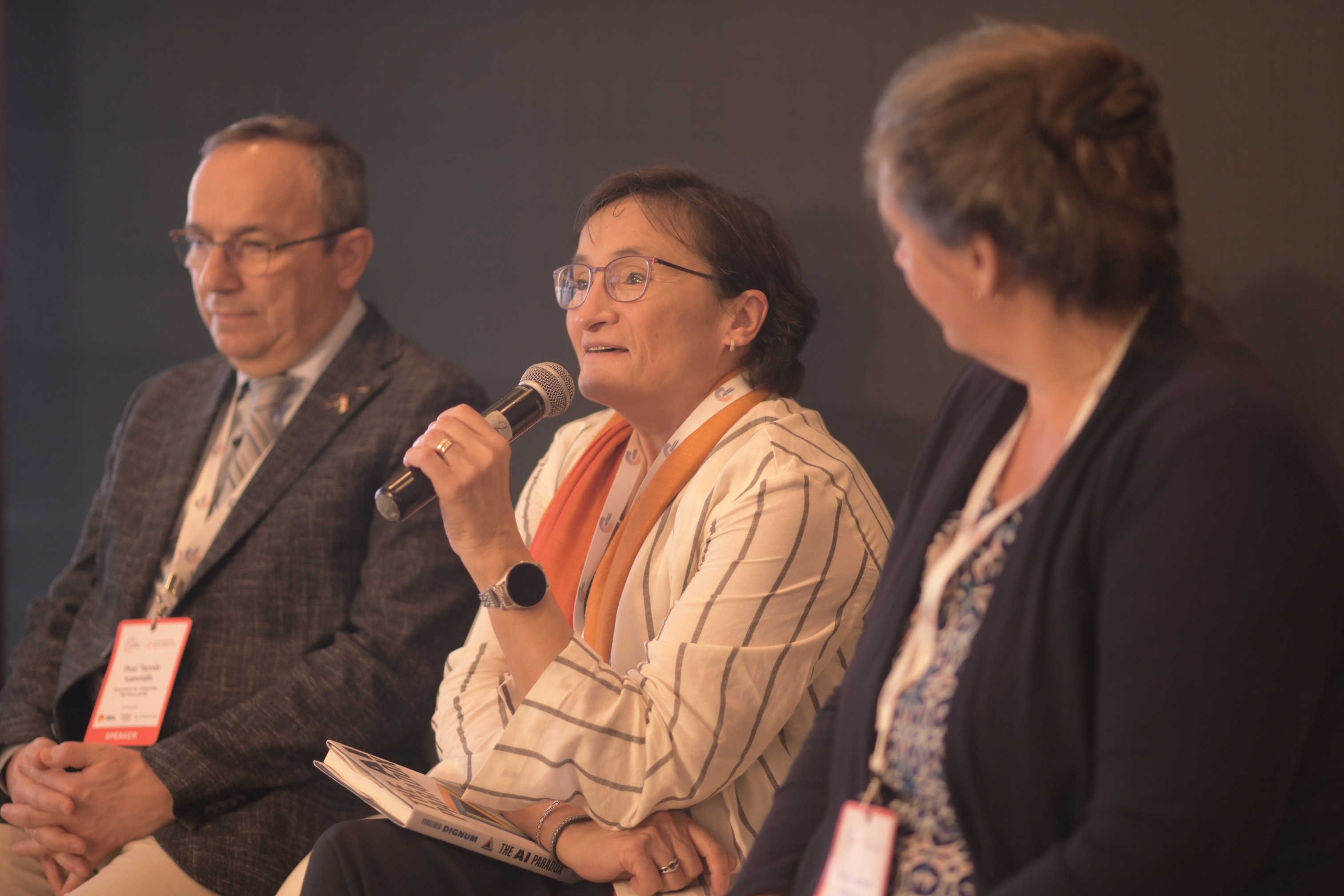
ACM TechBrief Launch: Buy versus Build an LLM — A Decision Framework for Governments
Prof. Mohan Kankanhalli (National University of Singapore), Prof. Virginia Dignum (Umeå University; UN High Level Advisory Body on AI), Prof. Yannis Ioannidis (President, ACM), Prof. Jeanna Matthews (Clarkson University)
In this session the ACM Global Technology Policy Council launched a new TechBrief. Large Language Models (LLMs) are emerging as critical digital infrastructure for both public services and state functions. This session introduced the new TechBrief and an accompanying whitepaper that described a strategic framework to help governments decide whether to buy models from existing providers or build their own domestic models.
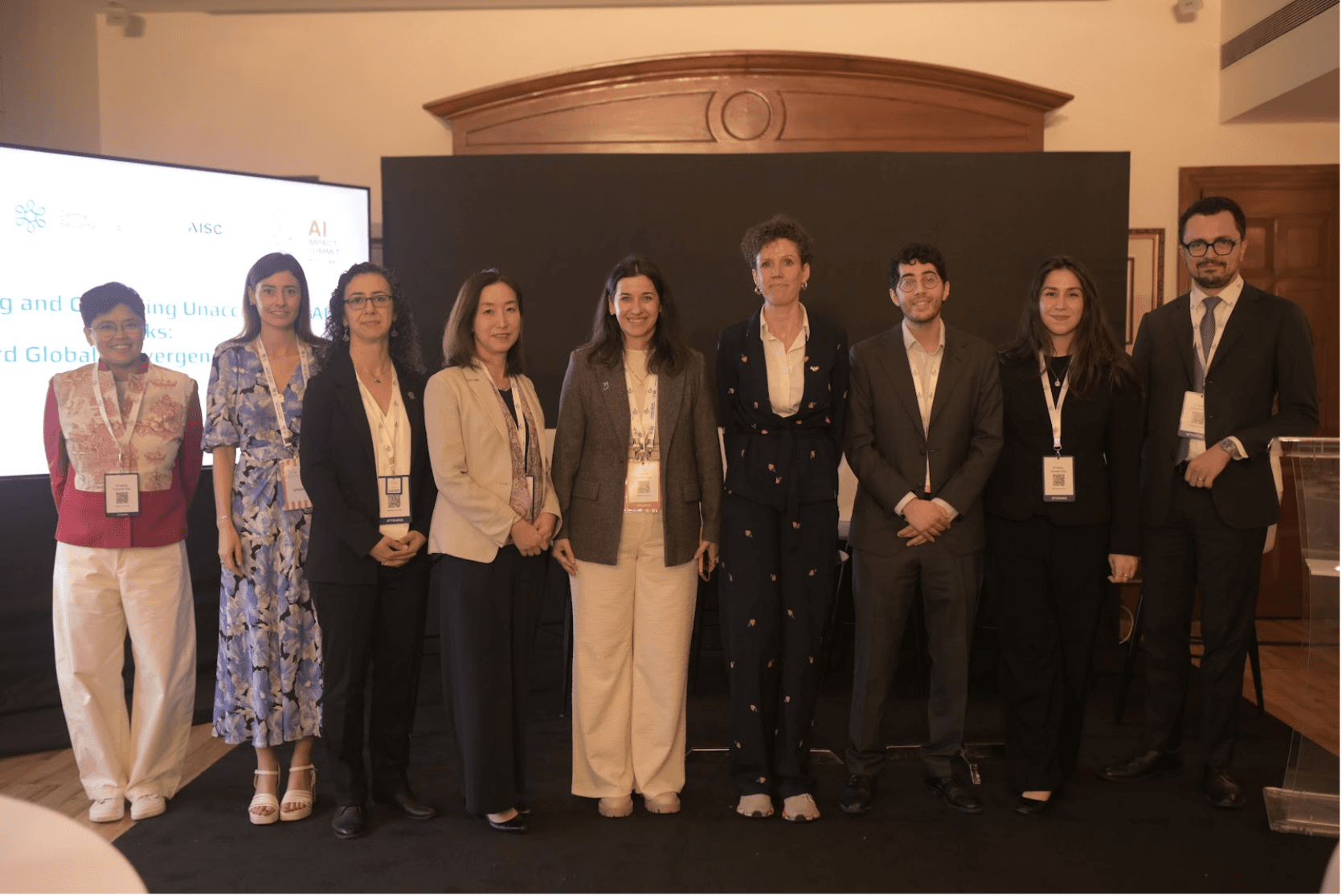
Workshop: Defining and Governing Unacceptable AI Risks
Opening remarks by Father Paolo Benanti (AI Advisor to Pope Francis, virtual). Facilitated by Ms. Niki Iliadis (The Future Society) and Ms. Pauline Charazac (CeSIA).
Government representatives, multilateral organizations and expert institutions came together to examine where AI red lines are already forming, identify areas of convergence across jurisdictions and explore how these shared constraints can be elevated into coherent global mechanisms for AI governance.
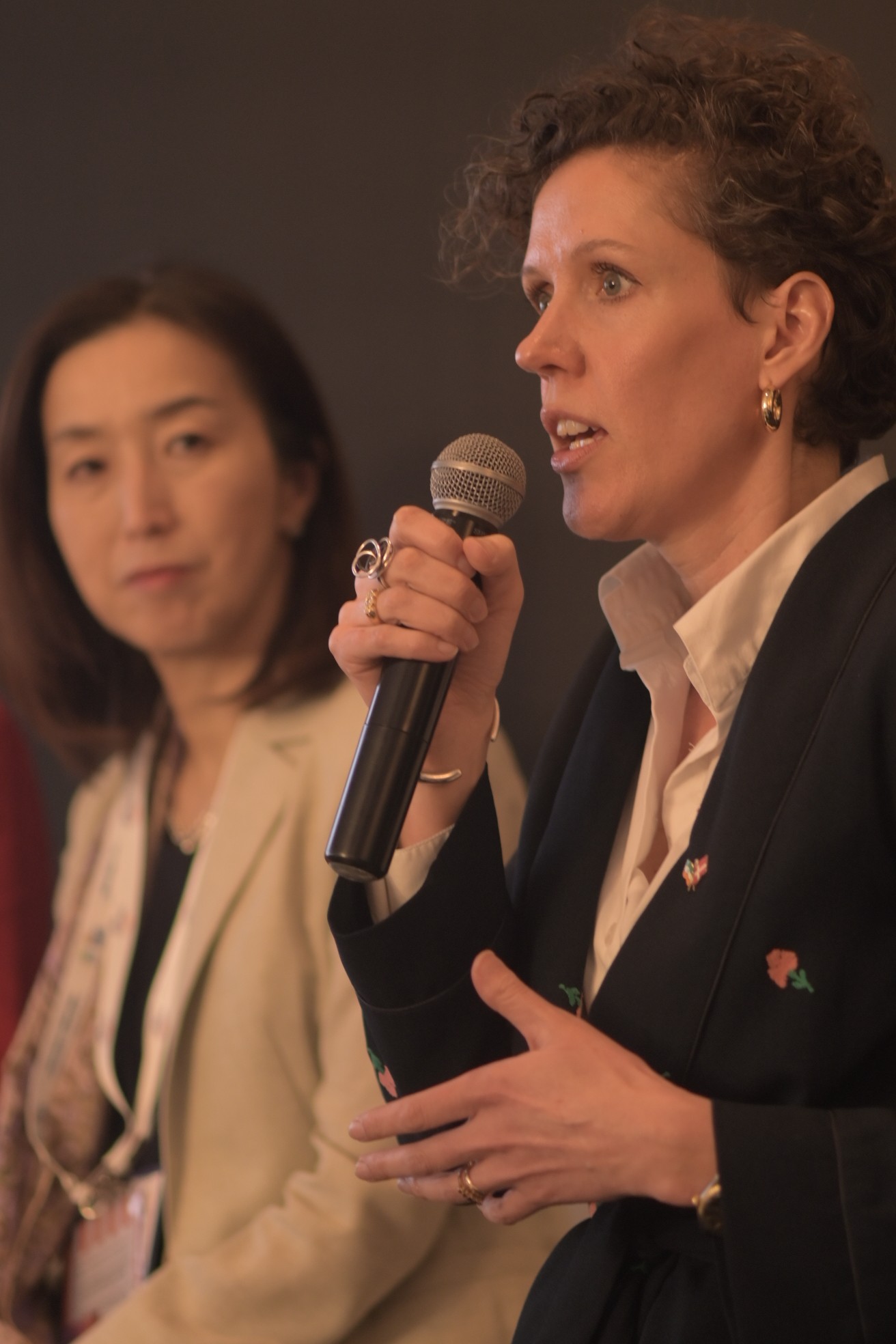
Demonstration Fair — Hodges Room
Live demonstrations of AI safety tools and solutions from:
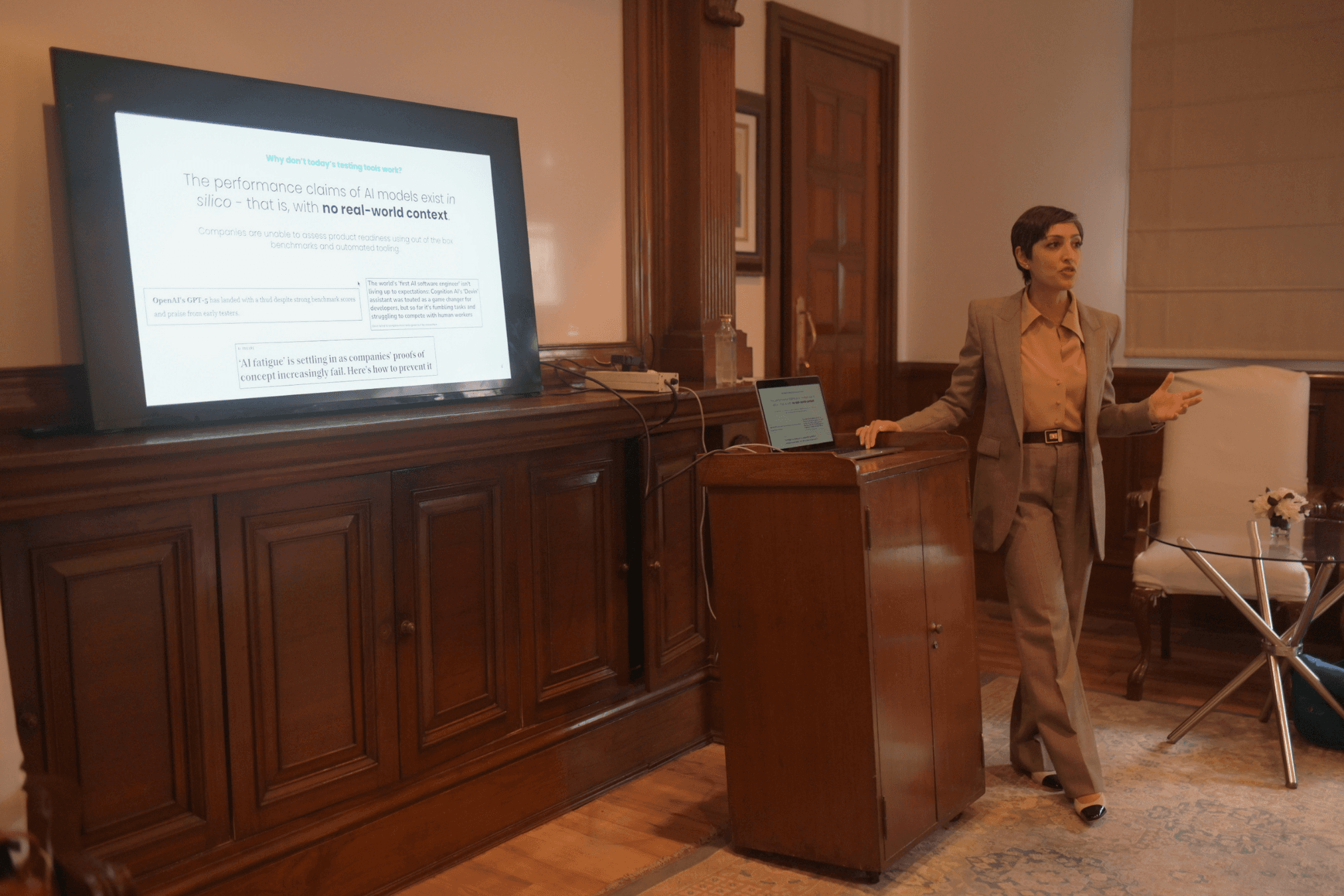
Humane Intelligence — Humane Intelligence unveiled their product which delivers an end-to-end evaluation workbench for GenAI, offering modular, human-in-the-loop and automated testing to help organizations move from months-long evaluation cycles to rapid, scalable deployment.
Apart Research — Apart Research presented a standout project from its AI Manipulation Hackathon, which brought together 500+ participants to build tools that measure, detect and defend against AI manipulation, producing 65+ open-source projects across benchmarks, detection systems, real-world monitoring tools and novel mitigations.
Foundation for Agentic Networks — The Foundation for Agentic Networks (FAN) presented a demo of Project NANDA, an agentic platform built to simulate interactions between children and LLM-based toys. Their early results revealed urgent vulnerabilities in how these "smart toys" handle sensitive emotional inputs. Participants learned how they are using simulated agents to proactively protect the psychological health of children in the age of AI.
UNESCO / LG AI Research — UNESCO, in partnership with LG AI Research, developed a global MOOC (massive open online course) on the Ethics of AI on Coursera. The course aims to help technology professionals treat AI ethics as a practical design choice rather than solely a compliance issue, with capacity-building workshops to follow the launch in Seoul.
Accenture — This demo walked through how to identify and mitigate GenAI-specific threat surfaces, including prompt injection risks, policy bypass attempts and unsafe retrieval patterns. It examined how structured knowledge integration through graph-backed retrieval systems improves safety, traceability and decision reliability in real-world use cases.
Lucid Computing — Lucid Computing demonstrated how pre-built auditors running inside the Trusted Execution Environment of a GPU/CPU can enable secure, verifiably compliant deployment of AI agents in minutes, showing a practical path from safety policy to provable enforcement at the hardware level.
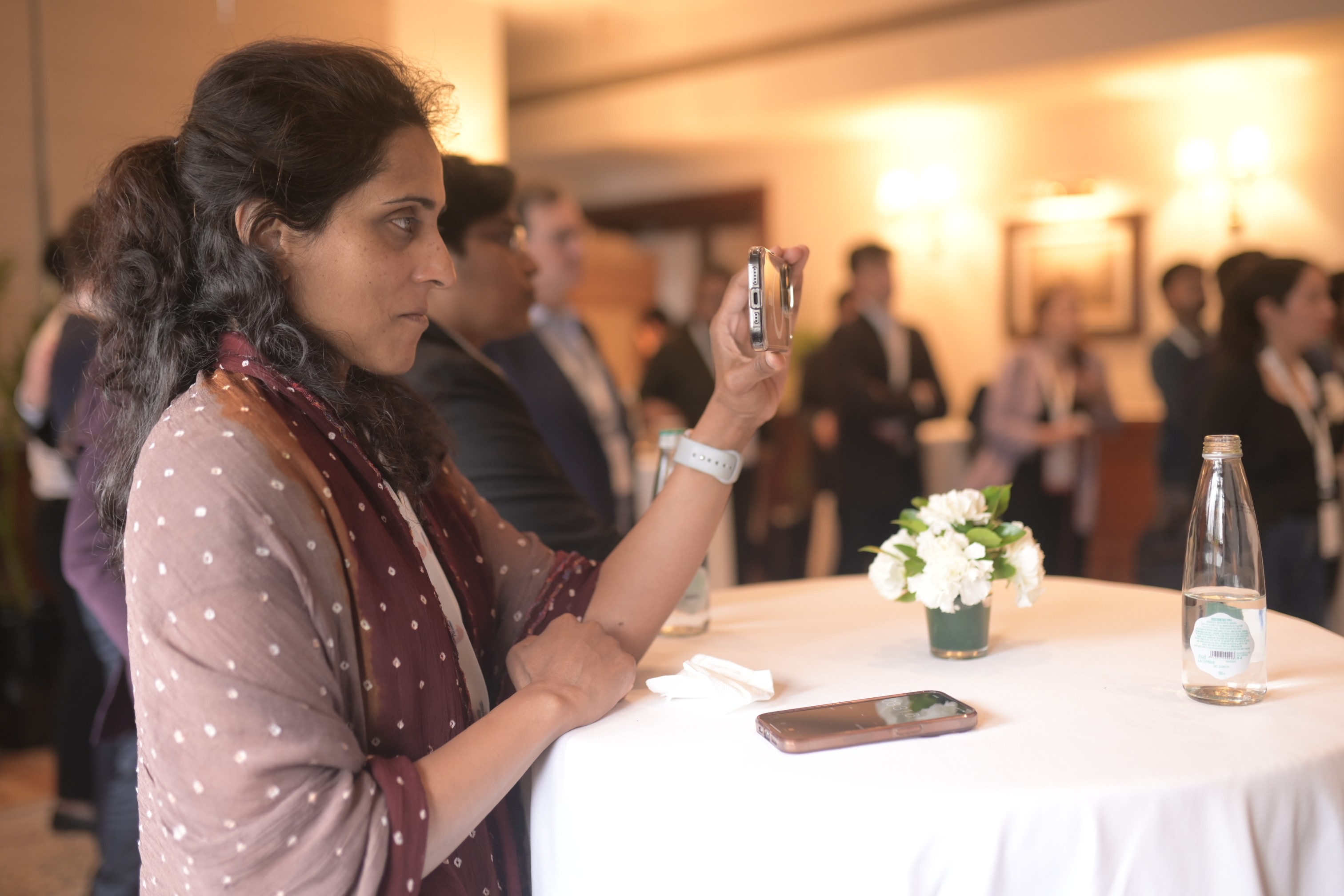
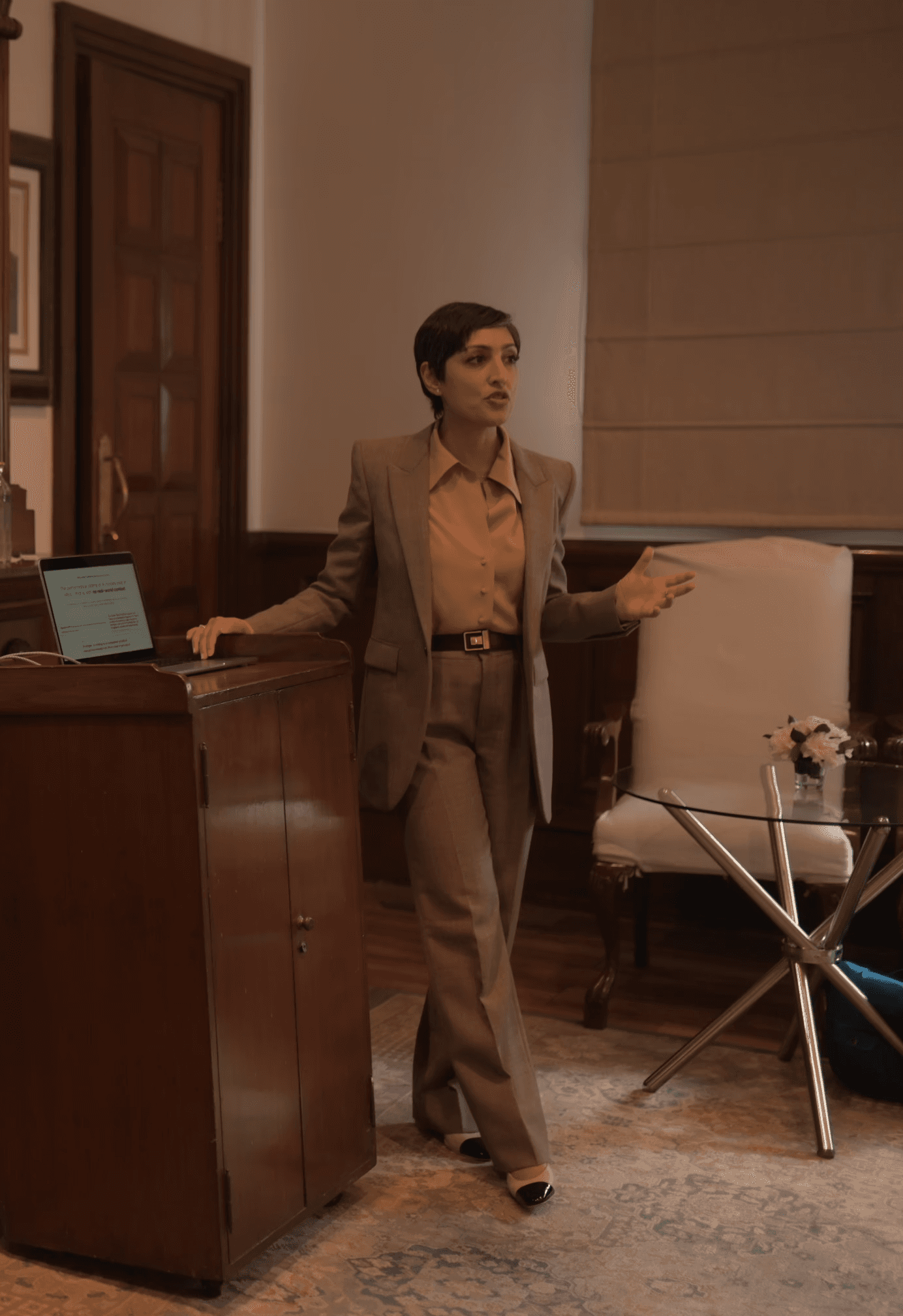
Dinner and Reception
Photo Gallery Attendees can access the gallery with the link and password provided in your follow-up email.
About
Home
Events
Team
Where the world
meets to make AI safe
Contact


About
Home
Events
Team
Where the world
meets to make AI safe
Contact